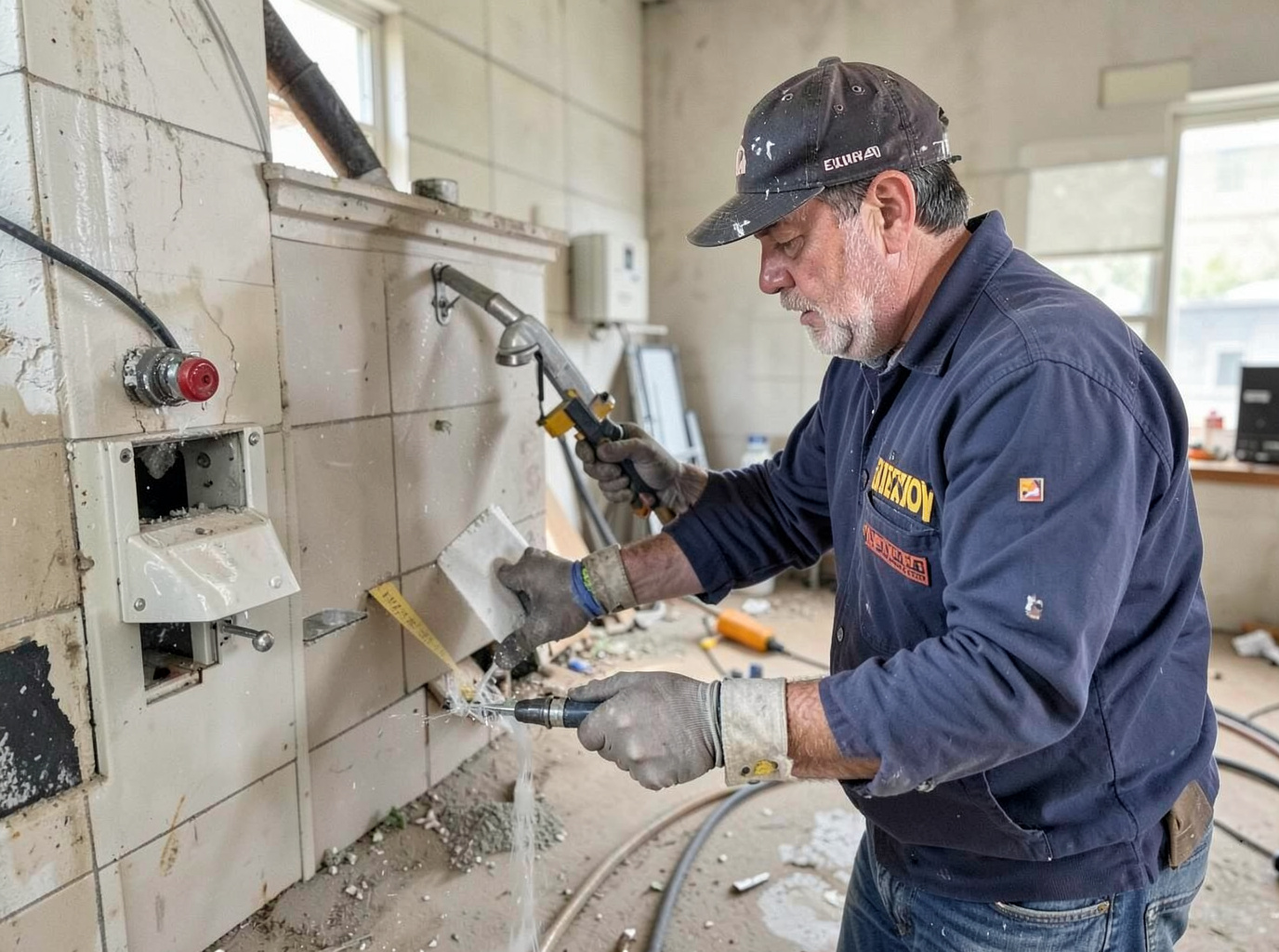
Danville homes along Westover Drive and nearby streets often date to the 1920s and 1940s, with brick foundations and basements that sit on heavy clay soil. When heavy spring rains hit or the Dan River rises, water finds its way through mortar joints and around old window wells. Repair work here starts with locating every moisture pocket behind plaster and under floorboards rather than stopping at visible stains, because trapped water quickly feeds mold in the area's high humidity.
Technicians map affected zones with moisture meters before any tear-out begins. In these older properties, lath-and-plaster walls and hardwood floors over crawl spaces require slower, lower-heat drying to avoid cracking or cupping. Extraction equipment must reach under built-in cabinets and behind HVAC returns common in Danville ranchers, or residual moisture will migrate into adjacent rooms once the system runs again.
After water removal, crews focus on sanitation of any gray-water intrusion from sump pits or backed-up drains that frequently occur during summer thunderstorms. Repairs then match original materials: replacing sections of heart-pine flooring or repointing brick rather than installing modern substitutes that stand out in historic neighborhoods. Final verification includes checking relative humidity levels in the basement for several days to confirm the structure has returned to pre-loss conditions.
Homeowners on the west side of Danville near the river often see repeat issues because grading slopes toward the house. Repair plans therefore include regrading recommendations and French-drain tie-ins that tie into existing storm lines without disturbing mature landscaping typical of the area.
Technician insight
In Danville the thing that catches most people out with water damage repair is clay soil around older foundations on the west side; once the Dan River swells, water pressure pushes through tiny mortar cracks that look harmless until you open the wall and find saturated insulation two feet up.
West Danville Basement After Spring Rains
Water entered a 1930s brick home through the rear foundation wall after three days of heavy rain. Crews found moisture behind the plaster extending four feet along two walls and into the adjacent crawl space. Extraction and targeted drying prevented mold growth; affected plaster was replaced with matching material and the exterior grade was adjusted to slope away from the house.
Water Damage Repair Services We Offer
✓Basement Water Extraction
Removes standing water from Danville basements after river or storm flooding, protecting older brick foundations before moisture reaches floor joists.
✓Structural Drying After Flooding
Uses targeted air movers and dehumidifiers sized for humid Virginia summers to dry plaster, lath, and hardwood without warping in older Danville homes.
✓Wall and Ceiling Water Damage Repair
Cuts out saturated drywall or plaster, treats framing, and reinstalls finishes to match original trim profiles found in Westover Drive properties.
✓Flooring Restoration After Water Intrusion
Removes cupped hardwood or damaged subfloors common in crawl-space homes, then reinstalls matching materials to preserve the look of pre-1950 Danville houses.
✓Sewage and Gray Water Cleanup
Handles contaminated water from backed-up drains during heavy rains, including disinfection of concrete slabs and joists typical in Pittsylvania County basements.
Water Damage Repair Cost in Virginia, VA
| Service | Typical Range | What Affects It |
|---|---|---|
| Initial Moisture Assessment | $125–$275 | Varies with number of rooms and crawl-space access in older Danville homes. |
| Emergency Water Extraction | $450–$950 | Depends on water volume and whether sewage is involved after Dan River events. |
| Full Structural Drying | $600–$1,400 | Influenced by home size, humidity levels, and duration of equipment runtime. |
| Wall Or Ceiling Repair | $350–$800 | Based on linear footage and need to match original plaster or trim profiles. |
Ranges are typical for Virginia, VA and confirmed with an exact written quote before any work starts.
How it works
- 1
On-Site Assessment
Technician inspects the property during posted hours, documents moisture levels, and identifies hidden pockets behind walls common in Danville's older housing stock.
- 2
Water Extraction
Removes standing and trapped water using pumps and wands suited to basement layouts and crawl spaces found throughout the Virginia area.
- 3
Drying And Monitoring
Sets up drying equipment and checks progress daily until moisture readings return to normal for the local climate.
- 4
Repair And Restoration
Replaces damaged materials and performs finishing work that matches existing construction details in the home.
Pricing
Upfront quotes provided during business hours at the Westover Drive location.