2026-11-14 · Robert Ellis
Basement Flooding After Heavy Rains Near Virginia
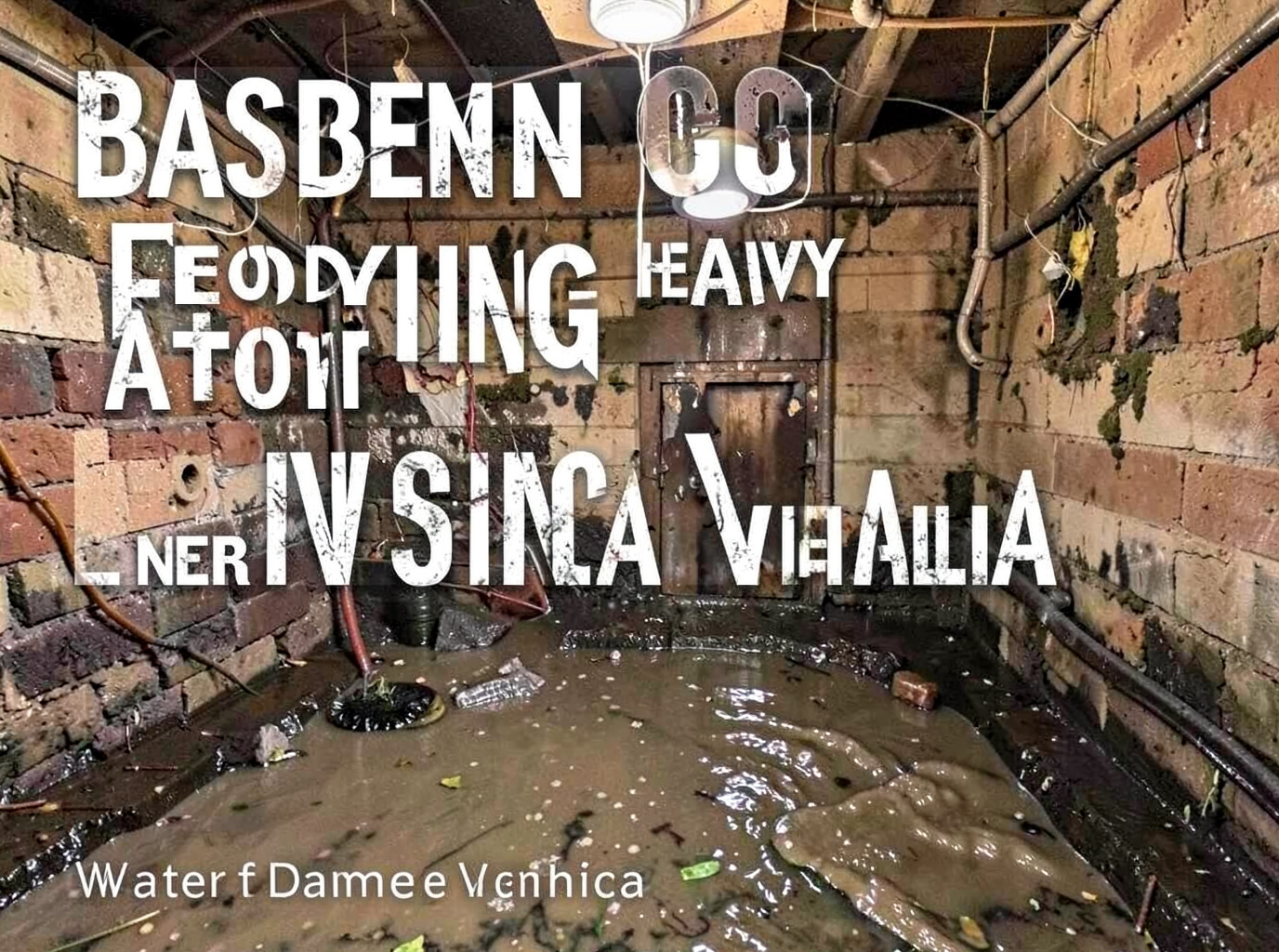
Heavy rains in Virginia push water against foundations in older homes across Danville and nearby counties, often resulting in basement flooding within hours of a storm. Saturated soils common in the region force water through cracks or around windows, especially in houses built before 1980 with stone or block foundations.
Why Heavy Rains Overwhelm Virginia Basements
Virginia receives frequent thunderstorms that drop several inches of rain in short periods, particularly in spring and summer. Clay-heavy soils around Danville hold moisture and expand, creating hydrostatic pressure against basement walls. Many homes in areas like Lynchburg and Roanoke sit on sloped lots where runoff channels directly toward foundations. Older properties often lack modern French drains or sump pumps rated for these volumes, allowing water to pool inside. Checking for hidden leaks in older Virginia houses becomes essential after each major event because small gaps widen over repeated cycles.
Immediate Steps After Basement Flooding
Turn off electricity to the affected area first to avoid hazards, then document water levels with photos before any removal begins. Contact a professional for water extraction services that use truck-mounted equipment suited to Virginia's humid air, which slows natural evaporation. Remove standing water within 24-48 hours to prevent mold growth that thrives in the region's warm, moist conditions. Homeowners in Danville should avoid DIY fans alone, as they can spread spores without proper dehumidification. Follow up with flood damage restoration to address structural drying and contents.
Local Factors That Change the Job in Virginia
Terrain around Westover Drive in Danville features rolling hills that direct stormwater toward lower basements during prolonged rains. Homes in nearby Petersburg and Hopewell often have crawl spaces connected to basements, allowing hidden moisture to travel. Seasonal patterns mean fall hurricanes can deliver 5-10 inches over days, overwhelming gutters on 40- to 60-year-old houses. Soil compaction from construction in newer subdivisions like those near Mechanicsville reduces natural absorption compared to rural lots. These realities require targeted pumping and moisture mapping rather than uniform approaches used elsewhere.
Preventing Repeat Flooding After Storms
Install or upgrade sump pumps with battery backups rated for at least 3,000 gallons per hour to handle Virginia downpours. Extend downspouts 6-10 feet from foundations and grade soil to slope away at 6 inches over 10 feet. Seal visible cracks with hydraulic cement and consider exterior waterproofing membranes on homes in flood-prone spots near Richmond or Fredericksburg. Regular gutter cleaning before hurricane season reduces overflow that feeds basement entry points. Pair these measures with water damage restoration expertise when water has already entered.
When to Call for Water Damage Repair
Persistent dampness after 72 hours or musty odors signal the need for professional assessment rather than surface cleaning. Virginia humidity accelerates mold on drywall and insulation, making full removal necessary in many cases. Link repairs to mold prevention after water intrusion in Virginia humidity to protect long-term air quality. Technicians based at Westover Drive, Danville, VA 24541 respond during business hours to evaluate hidden damage behind finished walls common in local split-level homes.